
The Medicineless Hospital: How 300,000 People Healed Without Drugs—and Why It Disappeared

The year was roughly 2001. A friend and I were walking through downtown Red Deer, Alberta, on a crisp afternoon when we stumbled upon a scene that felt completely out of place on a Canadian sidewalk.
A group of Asian individuals stood on the corner holding a long, stark banner. They were handing out informational pamphlets to anyone walking by.. Out of curiosity, I took one. The lady I was talking to said that there is nothing they can really do but create awareness.
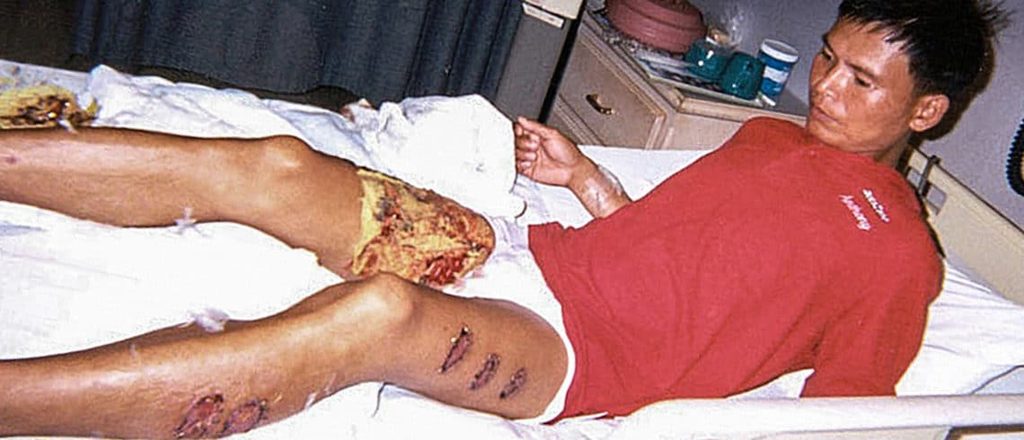
When I opened it, the contrast was jarring. The paper was filled with graphic photographs and documentation detailing extreme torture methods—electric shock batons, extreme sleep deprivation, stress positions, and the infamous “tiger bench” restraint. Below the images were personal accounts of arbitrary arrests, dark interrogations, and deaths in custody within Chinese detention centers.
The pamphlets were a desperate plea to international governments and everyday citizens to help expose human rights violations and pressure the Chinese Communist Party (CCP) to stop its systemic persecution.
At the time, it felt like two completely opposite worlds colliding: on one hand, the ancient, peaceful realm of meditative Qigong and natural healing; on the other, raw, harrowing documentation of state-sponsored abuse.
What I was witnessing in Red Deer was the local ripple of a massive geopolitical event that had occurred two years prior in China—a massive state crackdown that silenced one of the most remarkable medical experiments of the 20th century: The Huaxia Zhineng Qigong Clinic & Training Center, universally known as the world’s first Medicineless Hospital.
Inside the Huaxia Center: Medicine Without Drugs or Surgery
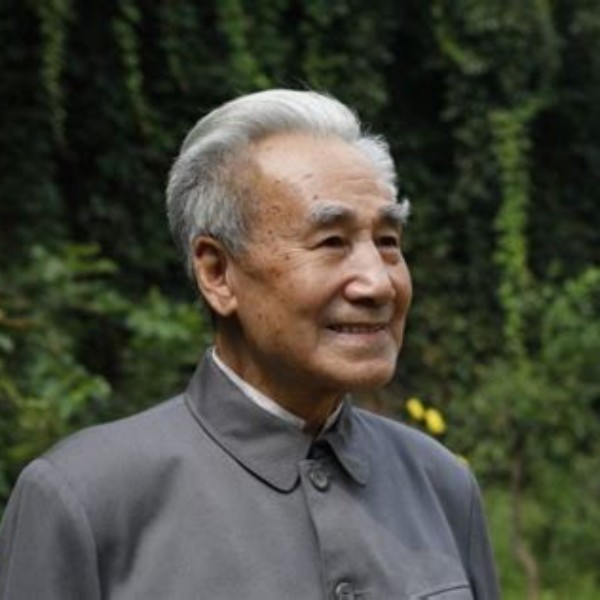
Founded in 1988 by Dr. Pang Ming—a visionary grandmaster who held degrees in both Western medicine and Traditional Chinese Medicine (TCM)—the Huaxia Center operated near Beijing and later moved to Qinhuangdao in Hebei Province.
At its peak, the facility spanned huge residential campuses. It boasted hundreds of staff members and housed thousands of residential guests at any given time. Yet, if you walked through its doors, you wouldn’t find pharmacy counters, surgical suites, or rows of hospital beds. You wouldn’t smell antiseptic or hear the hum of IV pumps.
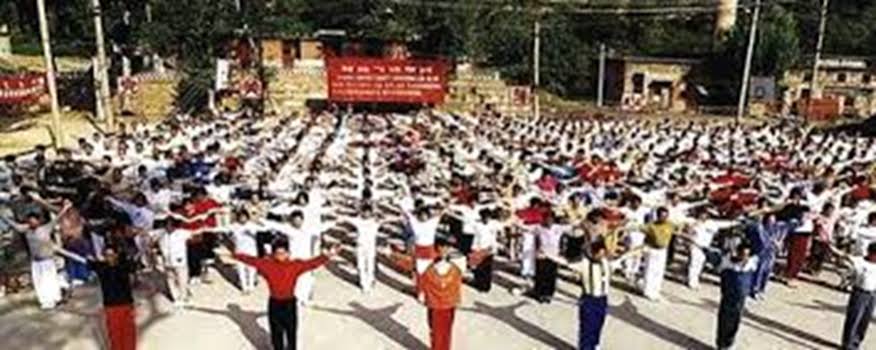
Instead, you would see thousands of people moving in synchronous, fluid meditation across open courtyards and large assembly halls.
Over its operational lifespan between 1988 and 2001, the center treated over 300,000 people suffering from more than 180 different medical conditions—ranging from chronic arthritis and heart disease to late-stage cancer and paralysis—boasting an overall reported health improvement rate of over 95%.
The Famous Ultrasound Video: “Already Healed”
Perhaps the most famous piece of evidence to emerge from the Medicineless Hospital is a piece of real-time ultrasound footage recorded during a healing session.
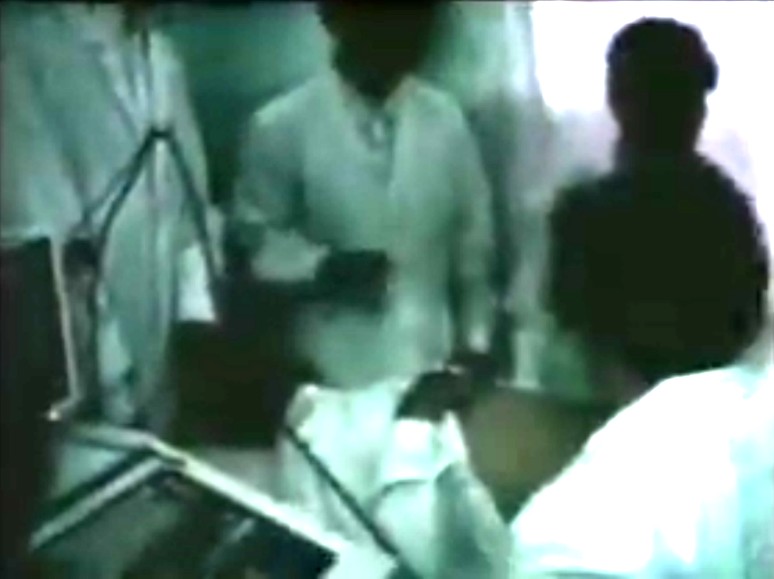
In the video, a female patient (or “student”) lies fully conscious on an examination table with an ultrasound probe resting on her abdomen, monitoring a large bladder tumor. Next to her stands an ultrasound technician keeping the monitor visible, while three trained Qigong facilitators stand around her, placing their hands near her body without direct physical touch.
As the live feed runs alongside a frozen reference image of the tumor, the three practitioners begin to sync their breathing and chant rhythmic phrases:
“Xu Sa… Xu Sa…” (or “Wa Sa”)
In the context of Zhineng Qigong, these phrases translate roughly to: “It is already done,” “It is already dissolved,” or “It is already healed.”
They were not praying for a future outcome; they were directing their conscious intent (Yinian) into the present reality that the energy holding the tissue together was dispersing.
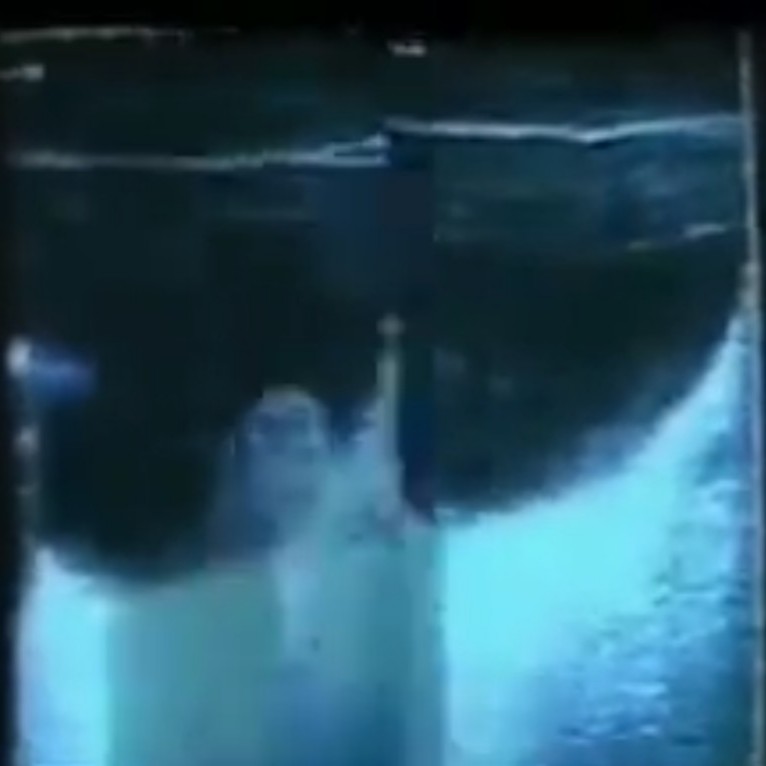
Within less than three minutes of continuous chanting and focused intent, viewers watch the dense white mass on the live ultrasound screen slowly dissolve, break apart, and fade into nothingness right before their eyes—leaving only clear tissue. As the tumor completely vanishes, the room erupts into smiles, handshakes, and celebratory applause.
The Radical Structure of the Hospital
How did a facility operate at such a massive scale without conventional treatment? Dr. Pang Ming built the entire organization around four unconventional pillars:
1. Low Cost: Care for the Working Class
Unlike modern commercial healthcare systems, the center presented itself as a low-cost community model.
- Tuition: According to estimates circulating among its followers, the fee for an intensive 24-day session was roughly 100 RMB (about $12 to $15 USD at the time).
- Living Expenses: According to those same estimates, including basic room and board, a person’s total expense averaged around 600 RMB, roughly $70 to $80 USD for an entire month.
Followers claim that Dr. Pang deliberately kept fees as low as possible so that impoverished rural workers, farmers, and urban laborers could access high-level care.
2. “Students,” Not Patients
Dr. Pang consciously removed traditional medical titles to shatter the passive psychology of illness:
- There were no “patients” admitted, only “students” (xuésheng).
- The Shift in Agency: A traditional patient sits passively, waiting for a doctor to cure them with a pill or a scalpel. Dr. Pang believed this creates psychological helplessness. By classifying incoming individuals as students enrolled in a 24-day course, the responsibility shifted: they were there to learn a life skill, self-healing, that they would master, own, and take home with them.
3. “Teachers,” Not Doctors
- Staff members were called “teachers” (lǎoshī) or instructors.
- While certified Western medical doctors were on staff to run objective diagnostics, such as X-rays, ultrasounds, blood work, and CT scans, they did not prescribe medication.
- Alumni-Led Support: According to accounts, a large portion of the staff were former students who had arrived with severe illnesses, said they had healed themselves through the 24-day program, and chose to stay on, for minimal pay, to guide newcomers.
4. Daily Life and the “Qi Field”
- Group Synergy: Students practiced Zhineng Qigong routines (such as Lift Qi Up and Pour Qi Down) for 6 to 8 hours daily.
- The Hunyuan Qi Field: Instructors were trained to organize a powerful collective energy field (Qi Field) before each practice session. The core belief was that practicing synchronized movement and mental focus in massive groups multiplied the healing capacity of each individual.
- Case Records: According to accounts, diagnostics were run on arrival and repeated every 24 days. If a tumor shrank or blood markers improved, the case was systematically cataloged for research.
The 2001 Closure: Why It Disappeared
By the late 1990s, Qigong had become a national phenomenon in China, with an estimated 80 to 100 million people practicing various forms across the country.
However, as these spiritual, health, and Qigong communities grew larger than the Chinese Communist Party itself, the government began to view large, self-organized gatherings with extreme suspicion. In July 1999, the state launched a widespread nationwide crackdown on unmonitored spiritual and Qigong groups, most notably targeting Falun Gong.
Although the Huaxia Zhineng Qigong center was recognized by government sports and health science boards as an effective, legitimate science, it was caught in the sweeping geopolitical net. Under intense administrative and political pressure, the large center was forced to shut its doors permanently in 2001. Dr. Pang Ming went into quiet retirement, and the physical “medicineless hospital” ceased to exist.
The Legacy Today
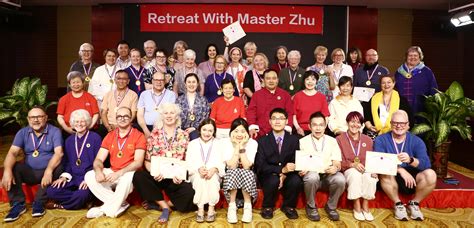
While the brick-and-mortar hospital in Hebei is long gone, its core legacy survived. When the center closed, the teachers and instructors scattered across the globe—bringing Zhineng Qigong to Europe, North America, South America, and Australia.
Looking back at that chance encounter on a sidewalk in Red Deer decades ago, those pamphlets were a reminder of how quickly a peaceful movement for human wellness can be disrupted by global politics. But while a physical building can be closed down, the idea that the human mind and body possess an inherent, trainable power to self-heal remains as relevant today as it ever was.
https://hunyuanqitherapy.com/blog/medicineless-hospital-300000-patients
Note on sources: This article draws on historical accounts, published reports, and testimonies from practitioners and supporters of the methods described. Figures such as patient numbers, fees, recovery rates, and the number of practitioners are estimates that vary between sources, and many could not be independently verified. They are presented as reported, not as established facts.
This article is for informational purposes only and is not medical advice. Nothing here replaces diagnosis or treatment by a qualified health professional. Who that might be, God only knows.