MMS and the Uganda Red Cross Malaria Case: A Cure Denied?

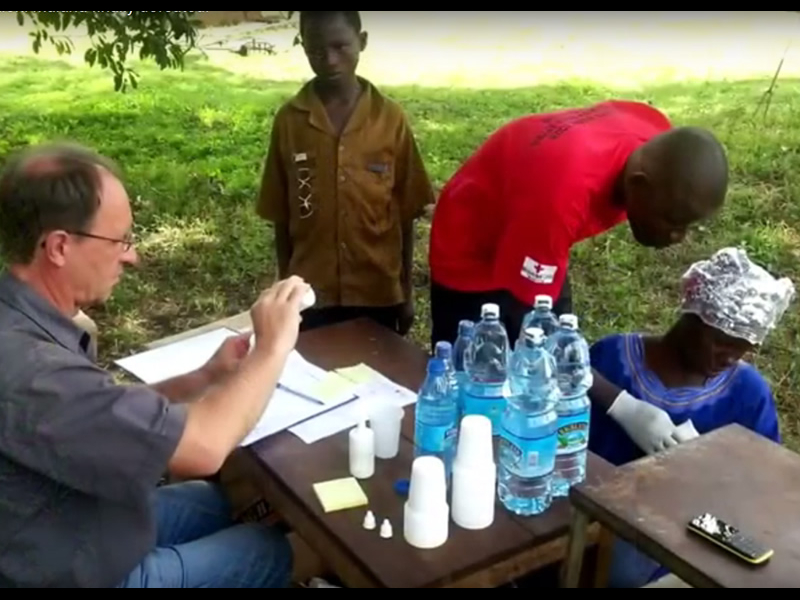
In December 2012, a quiet yet powerful field experiment took place in Luuka, Uganda, where 154 individuals who tested positive for malaria were treated with MMS (Master Mineral Solution), a mineral that becomes chlorine dioxide when activated. The effort was led by Klaas Proesmans, founder of the Water Reference Center, and involved local personnel from the Uganda Red Cross Society.
The results, captured on film, were remarkable: within 24 – 48 hours, every patient tested negative for malaria and exhibited full recovery. Red Cross staff expressed visible excitement and astonishment on camera, calling it a success. Yet, what followed was not celebration but total denial. Watch the original video
The Official Denial
Not long after the footage surfaced online, the International Federation of Red Cross and Red Crescent Societies (IFRC) released a statement publicly disassociating themselves from the project:
The Uganda Red Cross Society has confirmed that it did not approve any clinical trials involving the use of MMS.
Despite the documented results, they denied the event ever happened in the way it was portrayed.
Why Would They Suppress It?
The implications of this event were enormous: a simple, cheap, unpatentable compound curing malaria – something that costs billions annually to fight using pharmaceutical drugs, vaccines, and aid programs.
Chlorine dioxide, while demonized in mainstream media, has long been used in water purification, disinfection, and even FDA-approved food sanitation processes (EPA RED Report). Yet, its use inside the human body, even in diluted amounts, poses a direct threat to pharmaceutical industry profits.
This may explain why the event was so quickly buried. As Jim Humble, discoverer of MMS, has said: “The truth about MMS scares the medical establishment, not because it’s dangerous, but because it works.”
Discrediting the Video: A Closer Look
Critics like Dutch skeptic Pepijn van Erp suggested the test methods were flawed or misrepresented. Yet no evidence has surfaced that discredits the direct footage or the interviews with Red Cross workers on-site.
Furthermore, investigative reports such as this one from Business Insider attempted to discredit the practice by focusing on legal bans and safety concerns, yet didn’t refute the event itself: The Red Cross says it has nothing to do with the video. The footage, which surfaced on fringe websites, shows health workers praising a liquid for apparently curing malaria.
Safety: Real or Manufactured Concern?
Regulatory agencies like the FDA have issued warnings about ingesting chlorine dioxide, labeling it as a dangerous bleach. However, thousands or millions of individuals have used MMS under proper dilution protocols with reports of healing chronic infections, autoimmune diseases, and malaria.
Critics ignore that chlorine dioxide is already safely used in many industries. As Dr. Andreas Kalcker and other independent researchers have shown, when properly administered, it can neutralize pathogens with minimal impact on healthy cells.
Ask Yourself:
- If this didn’t work, why did local Red Cross workers celebrate the results so openly on camera?
- Why was there no follow-up investigation, no peer review, no scientific testing, just denial?
- Who benefits from silencing such a story?
Watch the Uganda MMS Malaria Video