“Try This,” She Said. “Whales Eat It.”

We can’t dispute that there is a universal force connecting everything. I bring it up because, as you follow the stories I’m sharing, you’ll see a common theme: what seem to be coincidences. Yet I still remember all the moments when I asked.
I came to realize that whatever answer I was looking for, God is listening, and it would show up in ways I didn’t expect. We just need to keep our antennas on as much as possible. Drinking is a sure-fire way to muffle up the signs as I come to discover. At the time I didn’t expect an answer for this one as it seemed to be a far reach. There are supplements for this and supplements for that, and it can all get confusing. So I asked, “Is there a supplement out there that has everything you need in it?”
One weekend, while I was living in Kamloops, I went to a trade show. I was walking through the aisles when a friend suddenly made a dash at me.
“Hey, Paul, try this!” she called, handing me a sample cup of a drink called Frequensea.
“Whales eat it,” she added.
I was intrigued, so I tried it. It didn’t taste bad. It was sweet tasting. But when she told me it was part of a multilevel marketing business, I was put off a bit. Only because of the stigma, but still intrigued, I told her I’d get back to her.
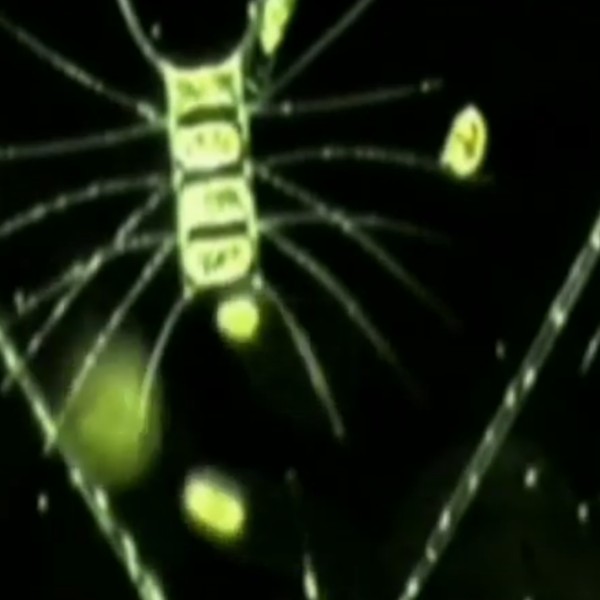
What got my attention was her explanation of marine phytoplankton: tiny marine organisms that sit near the base of the ocean food chain. They help support marine life, and many produce oxygen through photosynthesis. “It’s the reason we have life on this planet.” she explained, so I wanted to learn more about the product—and about the person behind it.
The Story Behind the Product
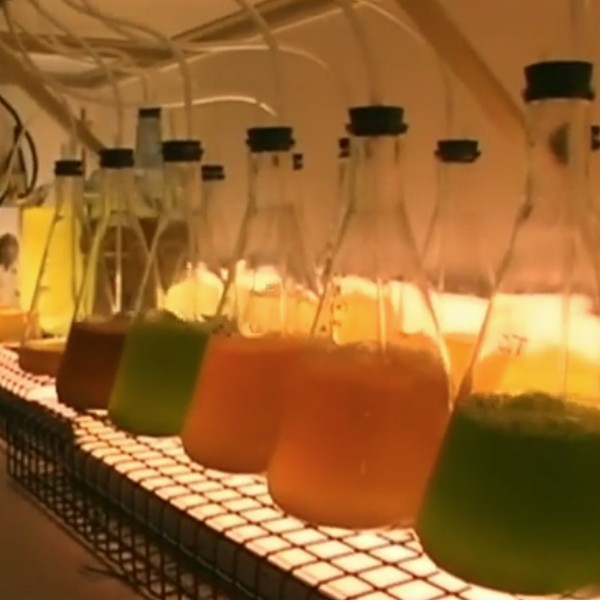
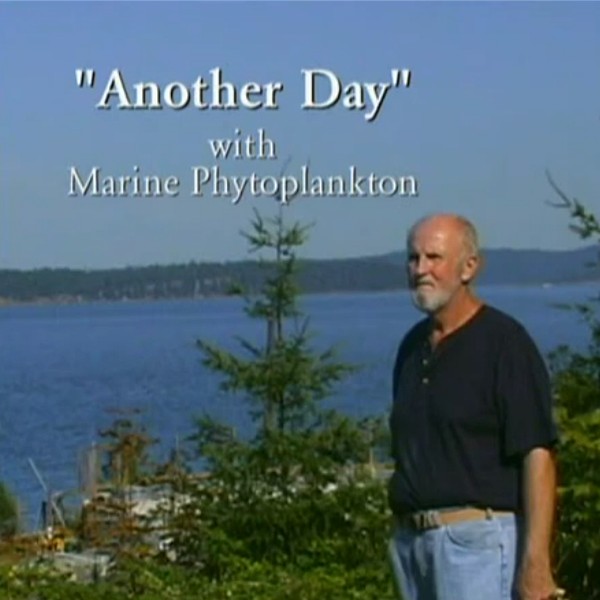
That person was Tom Harper, a shellfish farmer from the Nanaimo area on Vancouver Island. Harper ran a hatchery in Cedar, British Columbia, and was looking for a better way to feed his shellfish. For one, his shells were not growing very well as he needed given the cost of the algae he was purchasing. So, he wondered if he could grow his own. To make a long story short, he found a way—despite those pushing against the idea.
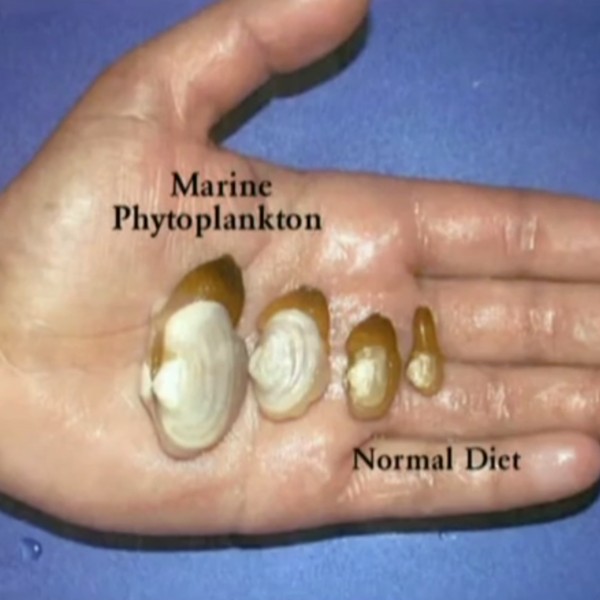
Soon, business was doing much better: his shellfish were growing almost twice the size and surviving shipment.
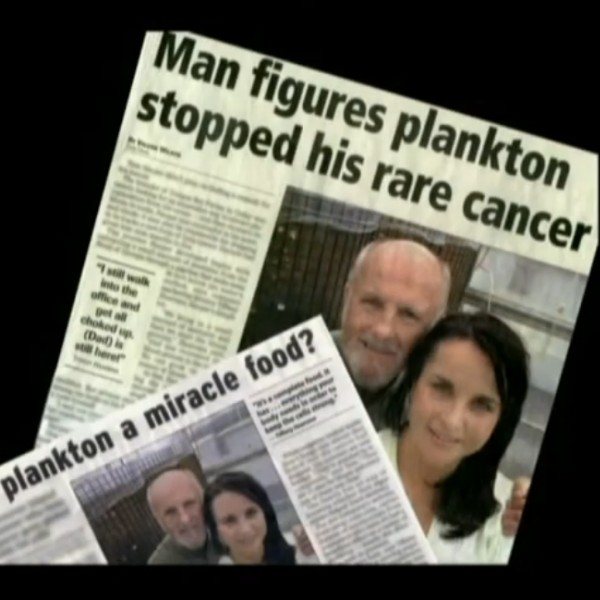
Though business was thriving, devastating news followed. Tom found out he had a rare lung cancer and was told he had six weeks to six months to live. As he was getting his affairs together, he would walk through the plant when he had energy, stopping to look at his creation, an idea came to him: if the algae he was making did that for his shellfish, maybe it could work for him. He started taking a small scoop and washing it down with water on a daily basis. He said it had an awful taste, but he kept going at it.
His daughter caught him one day and said, “Hey, Dad, what are you doing? That’s for whales, fish, etc.”
He replied, “Yeah, but I feel less pain in my back.”
So they went to the doctor, and when they took a look, they noticed a white substance covering the tumors. When the test came back with biopsies at 11 sites, it was clear. He had no more cancer. Not only that, he was a diabetic, and within ten months he could eat whatever he wanted.
The product eventually became known as Umac-Core found in health food stores. Later, ForeverGreen worked with the Harper family to create Frequensea, combining marine phytoplankton with other ingredients, including trace minerals and vitamins. The company’s materials say the product launched in 2005
I later met Tiffany in Kamloops, where she was giving a talk. I remember hearing more about her father’s experience and the product that grew out of it. The story made a strong impression on me.
Bringing It Home
My own experience with it became personal, too. “Hey, that stuff worked,” she told me. My mom had chest issues, and she felt they improved after she started using the product. She didn’t tell the doctor that she hadn’t taken her prescribed medication to see if it worked. The doctor was pleased and said with a smile, not knowing, “So it worked, eh!” My mom was never a fan of making issues, so she always stayed quiet if she could.
The more I learned, the more convinced I became that this was a product many people might want to know about. I first came across it years ago, and these days I’m in Colombia, where there isn’t a distributor. It’s something I miss having.
Health note: The cancer and diabetes stories here are personal accounts, not proof that phytoplankton treats or cures disease. Supplements don’t replace prescribed care. Talk with a qualified healthcare professional (good luck) before starting a supplement or changing medication.